Hi there.
Let’s head out together again—
I’m travel blogger Sseozand I’m glad you’re here.
If you’ve ever traveled in China,
there’s one everyday habit that feels surprisingly fascinating.
It’s hot water.
Even in the middle of summer, plenty of people still drink warm water,
and on trains or in hotels, hot water is incredibly easy to find.
In China, if someone is sick or just feeling off,
you’ll often hear people say
to drink more hot water.
In Korea, we might tell someone with a cold
to drink something warm,
but in China it feels much more deeply built into daily life.
So why does China
have such a strong habit of drinking hot water?
1. It started with boiled water, not just hot water
To understand China hot water culture,
there’s one important thing to know first.
It wasn’t necessarily that people
loved high-temperature water itself from the beginning.
The bigger habit came fromboiling water before drinking it.
In early 20th-century China,
public health campaigns encouraged people to boil water
to prevent waterborne diseases
like cholera and typhoid.
By the 1930s,
the idea of “drink boiled water”
had spread widely through government campaigns.
Once people started boiling water,
storing it in thermoses,
and sipping it throughout the day,
drinking warm or lukewarm water naturally became part of everyday life.
In other words, it wasn’t only about liking water hot—
it was really a culture of drinking boiled waterthat
set the whole habit in motion.
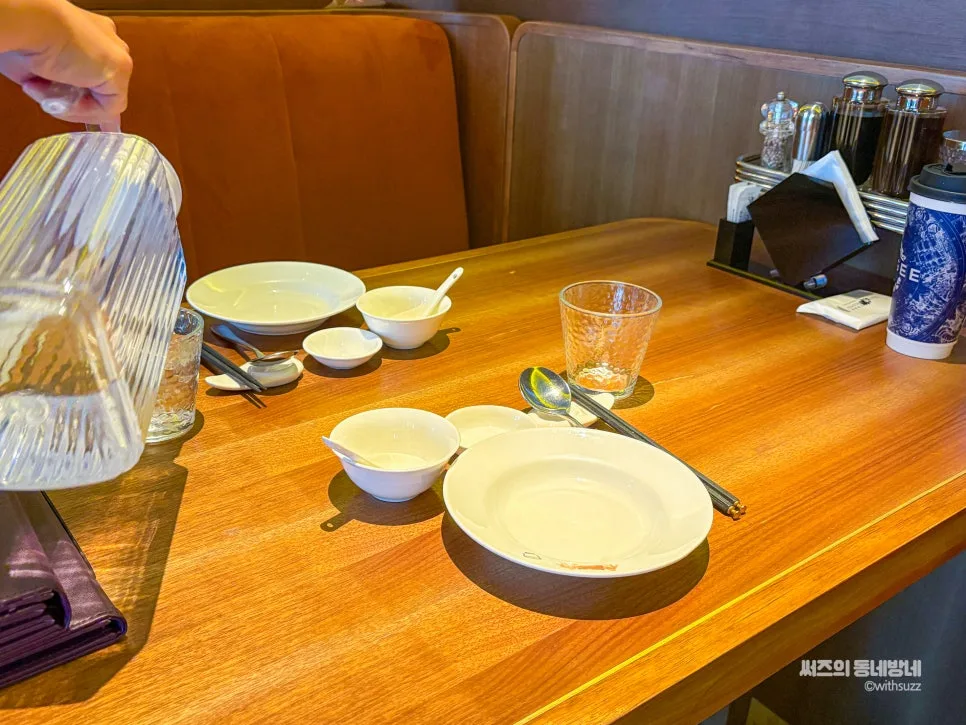
2. Traditional Chinese health beliefs also played a role
Traditional Chinese views on wellness
also shaped this habit.
In traditional Chinese medicine,
there has long been a belief that,
when it comes to digestion and the body’s balance,
warm foods and drinks are gentler and more comfortingthan cold ones.
That’s why even today in China,
if you have a stomachache,
catch a cold,
or just feel run-down,
多喝热水
duō hē rè shuǐ
literally means
“drink more hot water,”
and it’s something you’ll hear all the time.
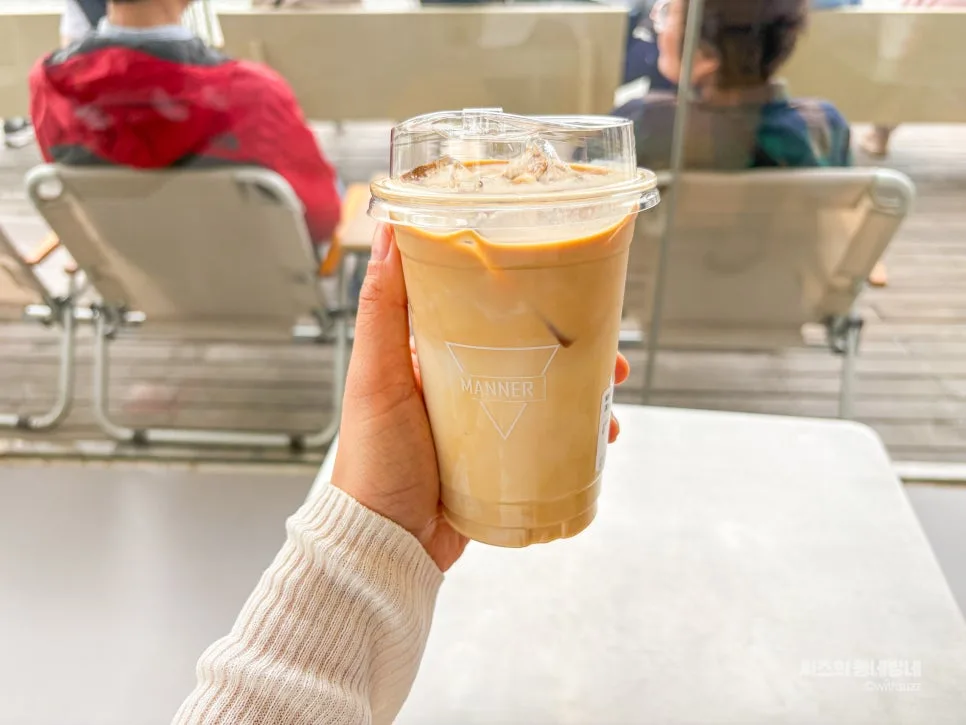
It’s a bit like saying in Korea,
“Stay warm and get plenty of rest,”
as a simple way to show care
and concern for someone.
Of course, not every Chinese person
dislikes cold water.
Younger people these days
obviously drink plenty of iced drinks too.
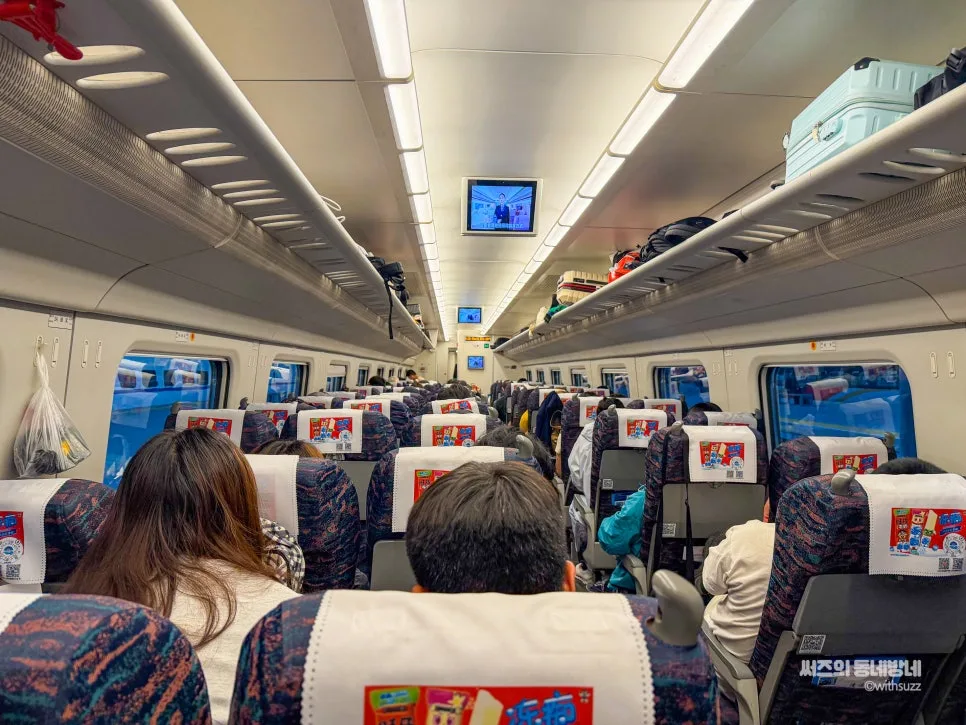
3. That’s why hot water is everywhere
Because this habit has lasted for so long,
hot water is still
incredibly easy to access in China.The setup is already built into daily life.
Even at water dispensers and restaurants,
room-temperature or warm water is often more common than cold water.
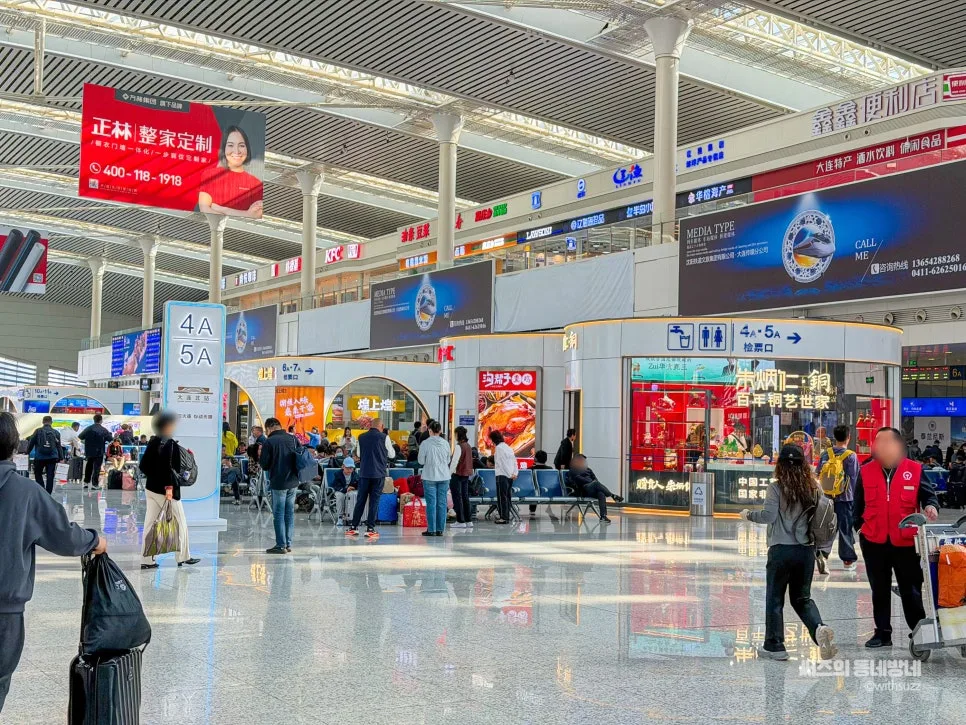
If you ride a train in China,
there’s a good chance your car will have a hot water dispenser.
People fill their own cups or thermoses,
and they also use it for instant noodles.
Hotels often provide electric kettles too,
and at home or in the office,
seeing thermoses or hot water dispensers
is completely normal.
So if you’ve ever traveled in China
and wondered, “Why is hot water so easy to find,
but I have to buy cold water separately?”
this everyday culture is the reason why.
4. Will China hot water culture continue?
What’s interesting is that
this didn’t just disappear as an old-fashioned custom.
The habit of boiling water to drink
kept getting passed down through families,
and because schools, workplaces, and trains
still make hot water easy to access,
it has naturally stayed part of modern life.
More recently,
content about trying Chinese lifestyle habits has even gone viral overseas,
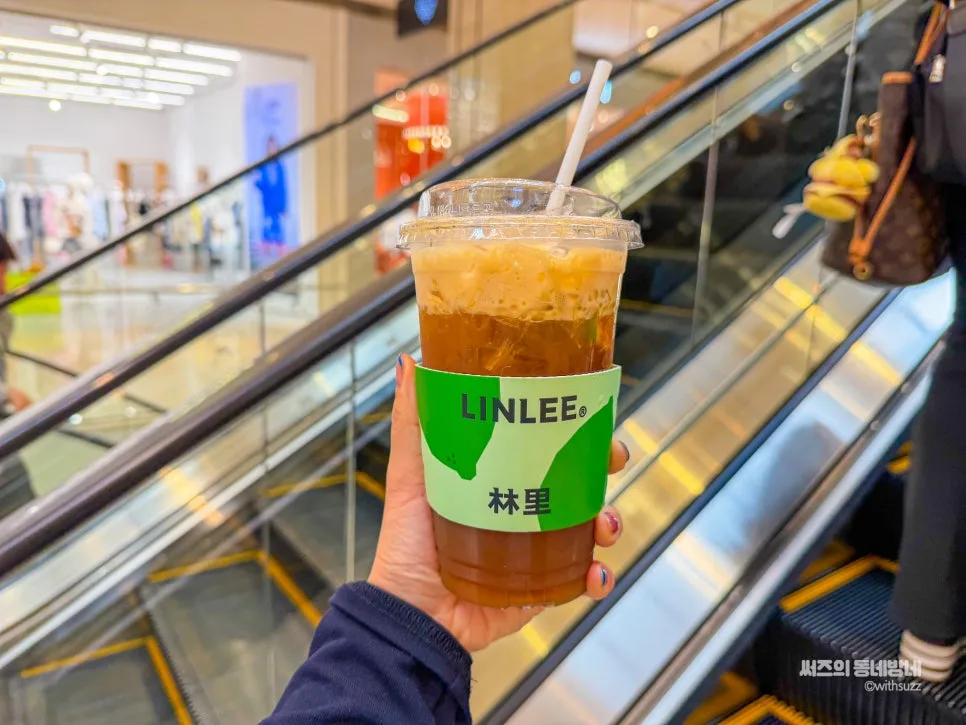
and things like drinking warm water or goji berry teahave
started being introduced as part of everyday Chinese culture.
Of course, in China today,
iced Americanos and other cold drinks
are also very popular,
so there’s no need to assume
“Chinese people only drink hot water.”
Still,
the long tradition of boiled water, health beliefs, and daily infrastructurehave all come together
to make warm water feel far more natural
in everyday Chinese life even now.
So on your next trip to China,
if you spot a hot water dispenser on a train or in a hotel,
you’ll know exactly why it’s there—
and maybe you’ll remember this fun cultural detail.
Thanks for reading.
Every moment of the journey, together—
Sseoz’s Neighborhood Wanderings
Asia | Korea | Restaurants | Hot Places