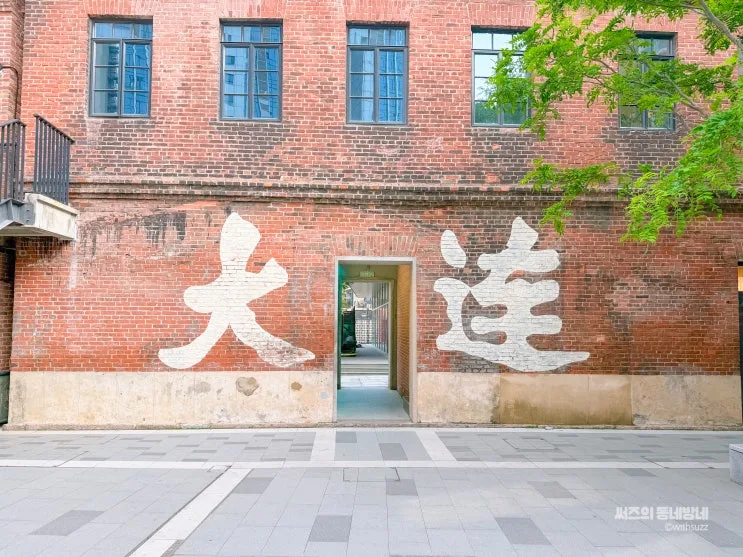
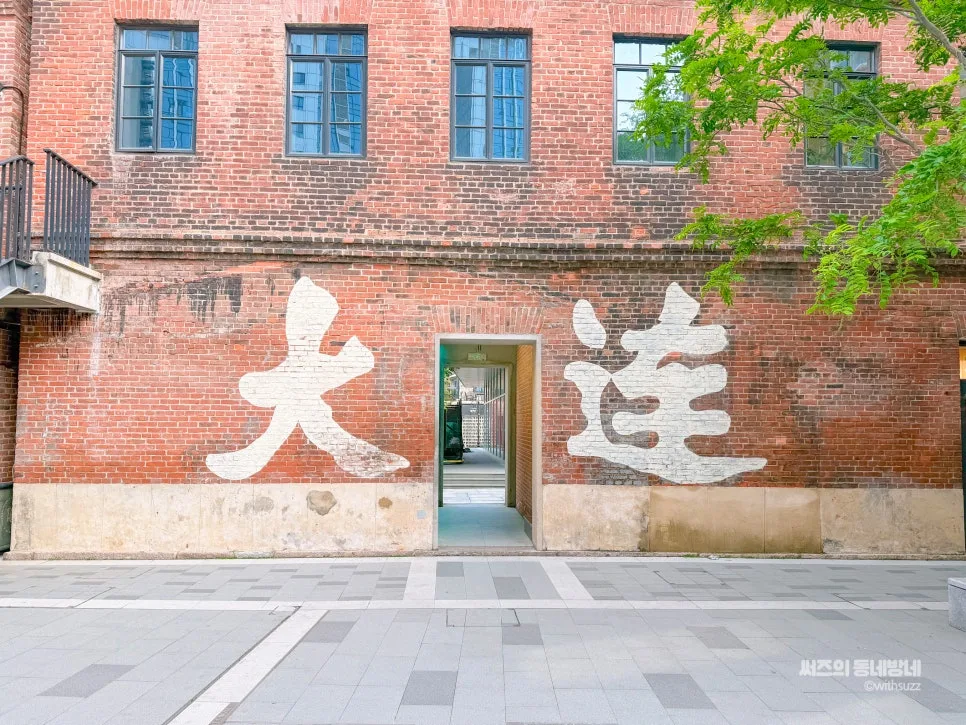
Dalian, China
Pre-Trip Guide
Words and photos by Sseoz
Hi there.
Let’s head out together again—
travel blogger Sseozhere.
When people think of traveling in China,
most usually think of cities like Shanghai, Beijing, or Qingdao.
But Dalian, in northeastern China,is also
a surprisingly charming and distinctive destination.
It’s definitely China, but you’ll spot European-style buildings,
and because it’s a port city by the sea,
it has a totally different vibe from other major Chinese cities.
Today, I’m sharing a closer look at Dalian, China,
with the things you should know
before your trip.
1. Where is Dalian, China?
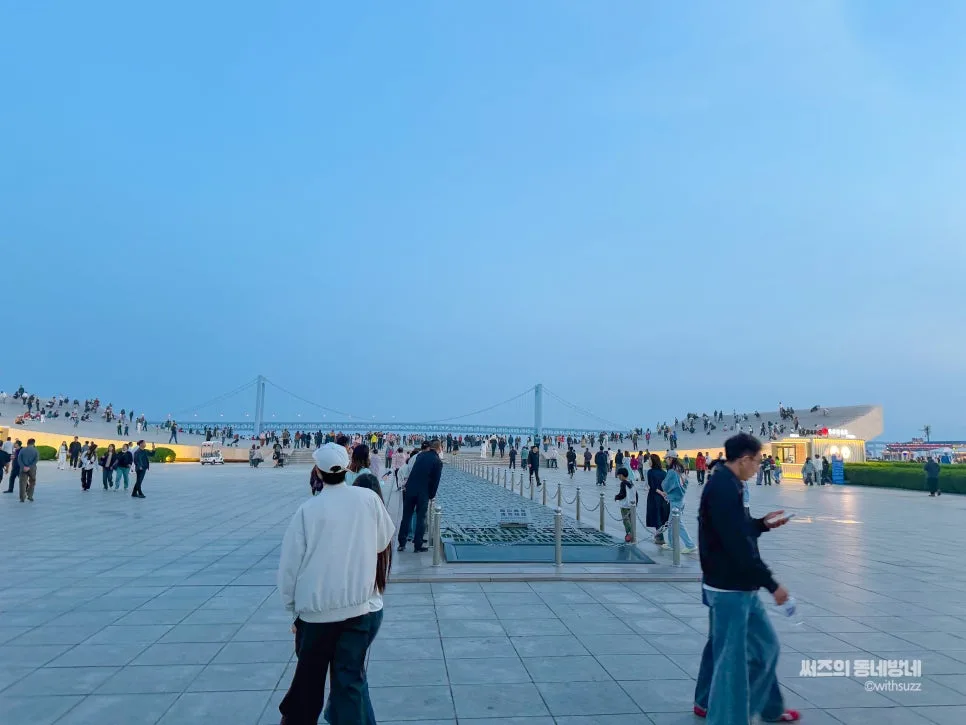
Dalianis a coastal city at the southern tip of Liaoning Province
in northeastern China.
It sits at the end of the Liaodong Peninsula,
bordered by both the Yellow Sea and the Bohai Sea,
which makes it one of China’s best-known port cities.
It’s only about a one-hour flight from South Korea,
so among destinations in China,
it’s one of the easiest and least stressful to reach.

Dalian has long been known in China
as a major port and industrial city.
Shipbuilding, machinery, and petrochemicals are big here,
and the auto and auto-parts industries are also highly developed,
so for many Koreans,
it’s long been a familiar city for expats
and business travelers.
Since the 2000s, it’s gradually gained attention as a travel destination,
and lately it’s been rising as a great-value getaway.
A 2-night, 3-day trip can cost under $366.
2. What is the weather like in Dalian?
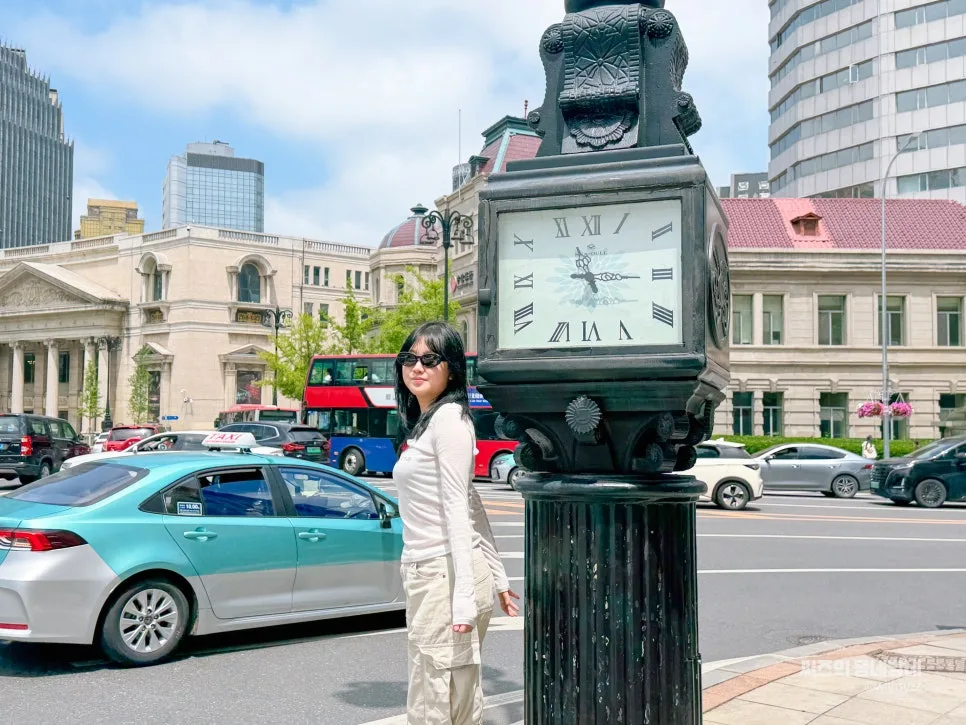
Since Dalian is a city by the sea,
the way the weather feels is a little different
from inland Chinese cities,
especially in summer and winter.
Summers are generally hotter than in Korea,
but not as brutally hot as inland China,
and in winter, the sea breeze
can make it feel colder than you’d expect.
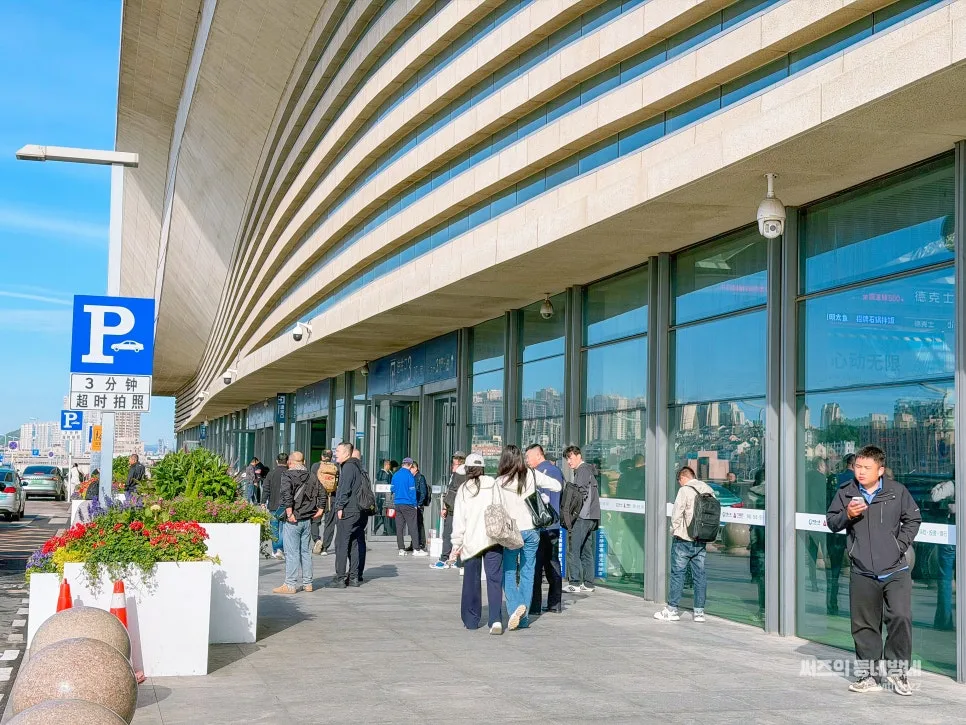
In short, it’s somewhat similar to Korea,
but because it’s farther north
and gets that coastal wind,
summers feel a bit cooler and winters feel colder.
The best time to visit
is from late spring to early fall.
September is especially nice, when the peak summer heat starts to fade
and mornings and evenings turn pleasantly cool.
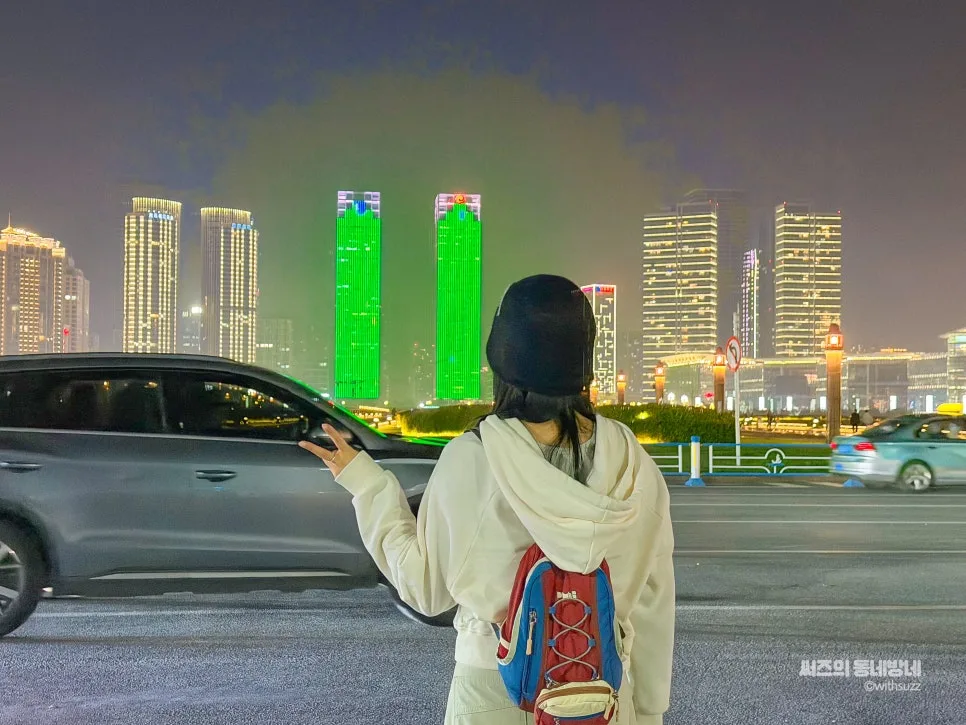
Based on my own trip in late May,
daytime was warm enough for walking around comfortably,
but at night I definitely needed a light jacket.
If you’re planning to visit the waterfront or a viewpoint,
I’d recommend bringing a thin outer layer
no matter what season you go.
3. What makes Dalian different from other cities in China?

One of the most interesting things about Dalian
is its unusual city atmosphere.
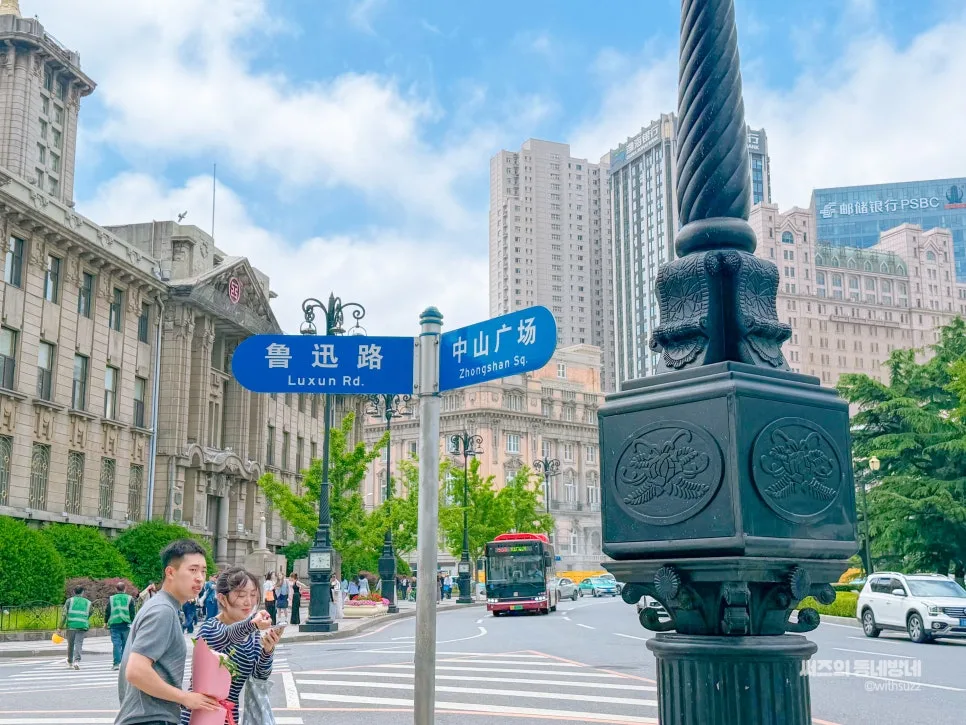
Walking around Zhongshan Square,
you’ll notice that instead of traditional Chinese architecture,
there are lots of older buildings
that look more Russian or European in style.
Dalianwas a city shaped by
both Russian and Japanese influence in modern history,so
you can still see traces of that
in the city layout and architecture.
At the Dalian Modern Museum,
the city’s modern history—including the lease of the Lvda region under Russia and the formation of the port city,
as well as the period of Japanese rule—
is covered as a major part of the exhibits.
So if Shanghai feels like
a flashy mega-city,
Dalian feels calmer,
with a stronger port-city mood shaped by
the sea and historic architecture.

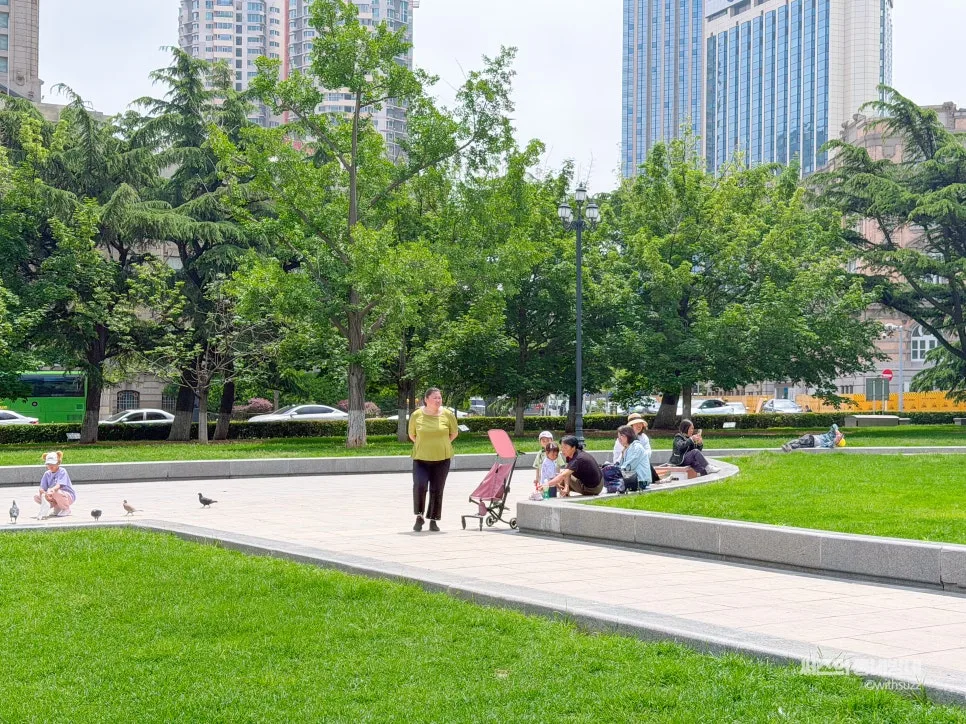
Also, squares and parksare everywhere here.
Big public spaces like Zhongshan Square, People’s Square, and Xinghai Square
are scattered throughout the city,
and locals use them all the time
for walks, exercise, and just relaxing.
4. Dalian culture you can experience while traveling

One thing I personally love
when I travel abroad
is not just the famous sights,
but seeing how local people actually live.
In Dalian too, especially in the evening,
if you stop by a square or park,
you’ll see everything from people out for a walk
to groups dancing together with music playing.
It’s something you can spot pretty easily.
This is the Chinese public-square dance culture
known as guangchangwu (广场舞),and it’s a very common part of everyday life in China.
Unfortunately, I didn’t get the timing right,
so I missed it myself,
which was honestly a little disappointing.
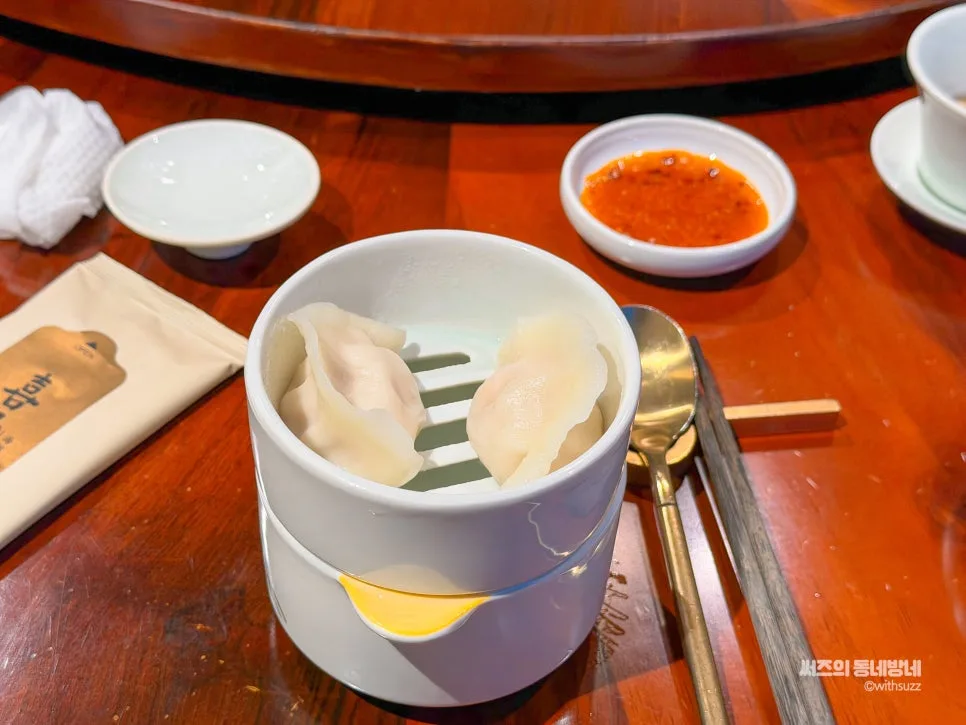
Seeding sea urchin dumplings
And because Dalian is a city that lives with the sea,
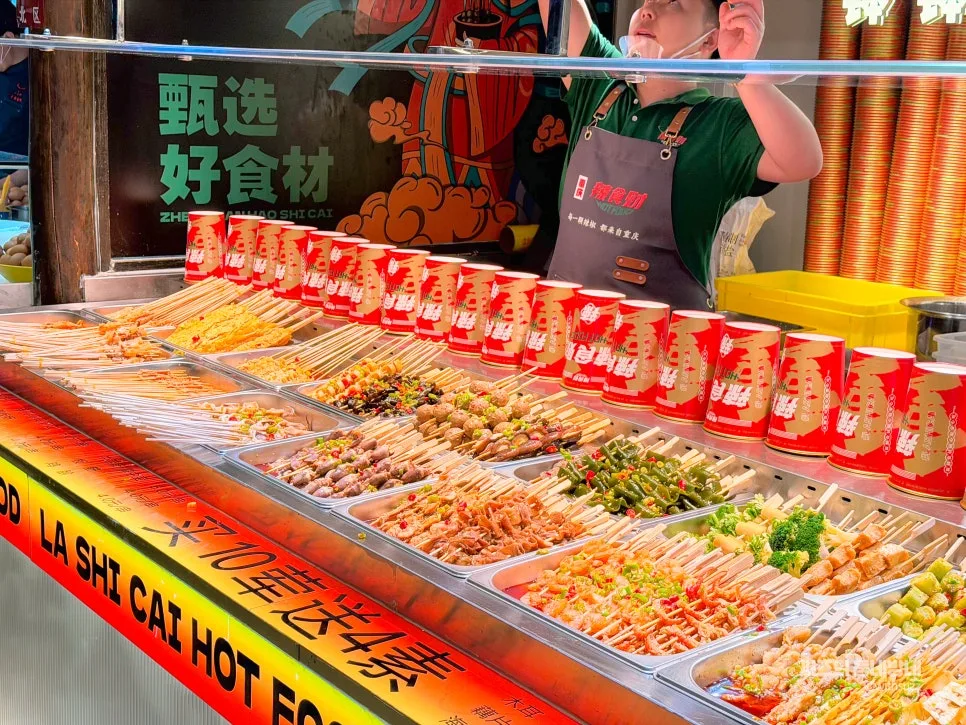
its food scene naturally leans heavily toward seafood.
Fish, shellfish, and shrimp
show up everywhere,
and a famous spot calledSeeding is especially known for its sea urchin dumplings.
No matter where you eat, you’ll find all kinds of seafood dishes,
and I kept seeing sea urchin dishes all over the city.
When people think of Chinese food,
they often imagine strong spices or oily dishes,
but in Dalian there are also plenty of lighter, cleaner-tasting options,
so even if Chinese food feels unfamiliar to you, it’s an easy place to start.
My friends who were visiting China for the first time all loved it.
One thing to note, though: compared with cities like Shanghai or Qingdao,
Dalian is a little less tourism-ready,
so there are a couple of minor inconveniences.
1) Smoking inside restaurants
2) Limited English
You may notice these two things
more often here than in some other Chinese cities, so don’t be too surprised.
5. What souvenirs should you buy in Dalian?

Whenever I travel, I always end up wondering
what I should bring back.
Since Dalian is a port city,
seafood-related snacks and products are
seriously everywhere.
Dried seafood and processed seafood products
make great gifts if you want something easy to pack.
I’d also recommend picking up Chinese snacks
or instant foods from a supermarket just to try something fun.
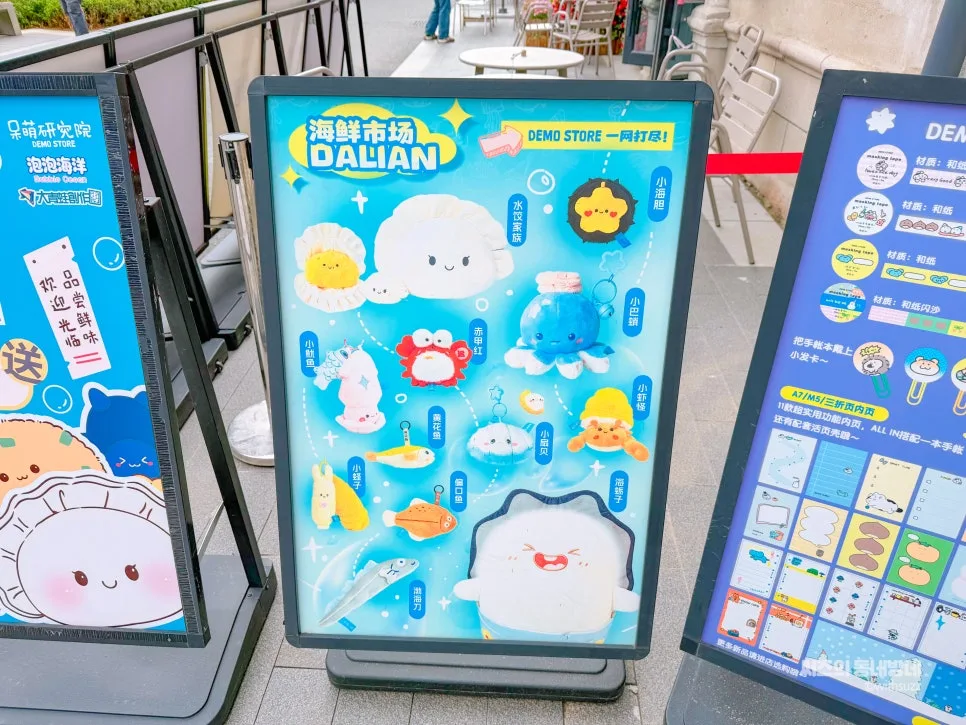
Or, if you’re visiting Oriental Venice Water City or Dongguan Street,
the seafood-shaped keychains and magnets sold there
are cute and charming little keepsakes.
If you’re planning to buy magnets,
prettier ones = Dongguan Street
cheaper ones = Russian Street
That’s the easiest way to choose.
If you’d rather enjoy something on the spot than bring it home,
Dalian is famous for its cherries,
so if you visit during cherry season, from May to July,
definitely try the cherries and other local fruit.

Pre-trip checklist!
Like other cities in China,
Dalian relies more on mobile payments than cash.
Before you fly, don’t forget to set up Alipay or WeChat Pay.
And for maps, use Amap or Baidu Maps.
Also, if you’re using Wi-Fi in China,
Google and some overseas services may be blocked,
which can make them hard to use.

If you mainly need payment apps, maps, and light social media,
about 1GB a day on an eSIM is usually enough.
If you plan to watch videos too, 2–3GB is better,
and if you hate dealing with slowdowns or cutoffs, unlimited is the easiest option.
I usually use my data for finding restaurants, checking maps,
and rechecking things for peace of mind,
so I always go with USIMSA’s unlimited eSIM.
I usually come back having used around 3–4GB per day.
Looking for an eSIM that doesn’t cut out?
China eSIM Shanghai Zhangjiajie CMCC fully unlimited daily plan, USIMSA KakaoTalk alert
USIMSA Store
naver.me
Dalian has a completely different charm
from China’s flashy mega-cities.
With the sea, huge public squares,
and Russian- and European-style architecture,
if you’re looking for a unique and budget-friendly destination,
consider Dalian this fall.
Every moment of travel
with Sseoz
Asia | Korea | restaurants | hot places