Hi everyone,
let’s take another trip together—
I’m Sseoz,your travel blogger for the day.
If you’re planning an international trip lately,
airline ticket prices are probably already on your mind.
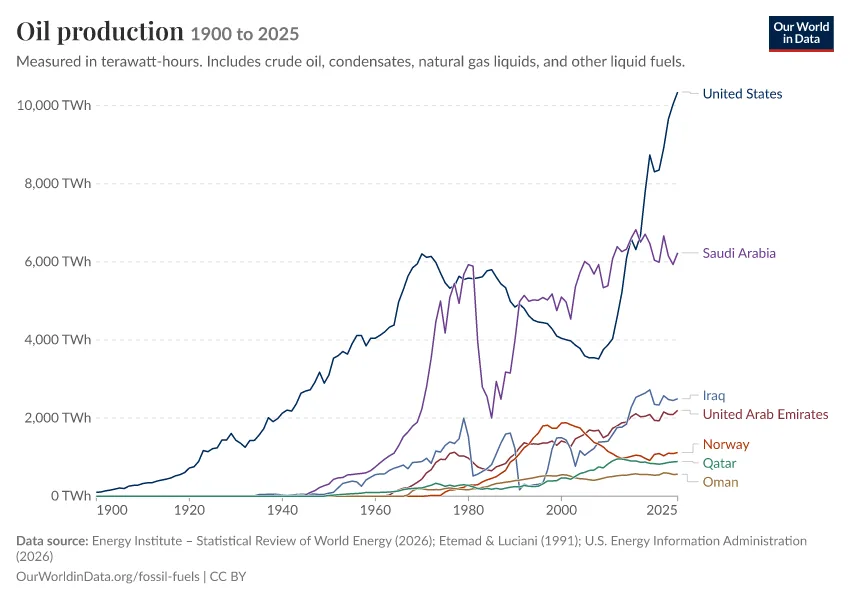
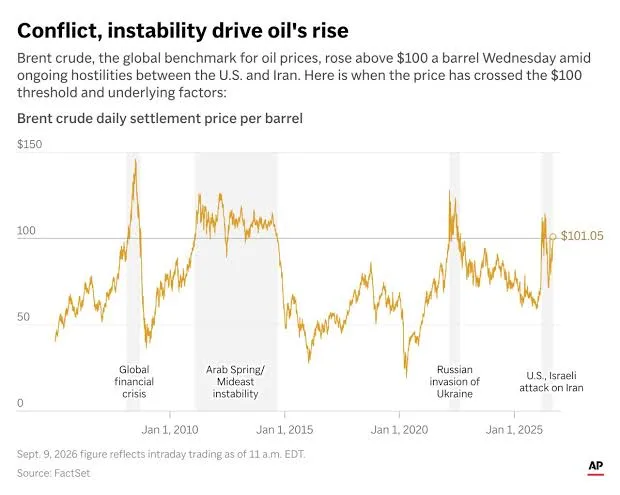
With global oil prices jumping again,
both Brent crude and U.S. WTI have now climbed past $100 a barrel.
As of September 10,
Brent crude reached
$107.63 per barrel,while WTI hit $102.48.
Ongoing attacks on ships in the Middle East
and rising tension around the Strait of Hormuz
are fueling concerns that oil supply could tighten,
which is pushing prices higher.
So does that mean airfare is about to go up too?
Here’s a clear breakdown of the current situation
and what it could mean
for your upcoming travel plans.
1. Why Did Global Oil Prices Top $100?
2. If Oil Goes Up, Do Flight Prices Rise Right Away?
3. Are There Already Signs of Higher Airfare?
4. If You’re Planning an Overseas Trip, What Should You Do?
1. Why Did Global Oil Prices Top $100?
The biggest driver behind the recent rise in global oil prices
has been the situation in the Middle East.
As clashes involving Iran continue,
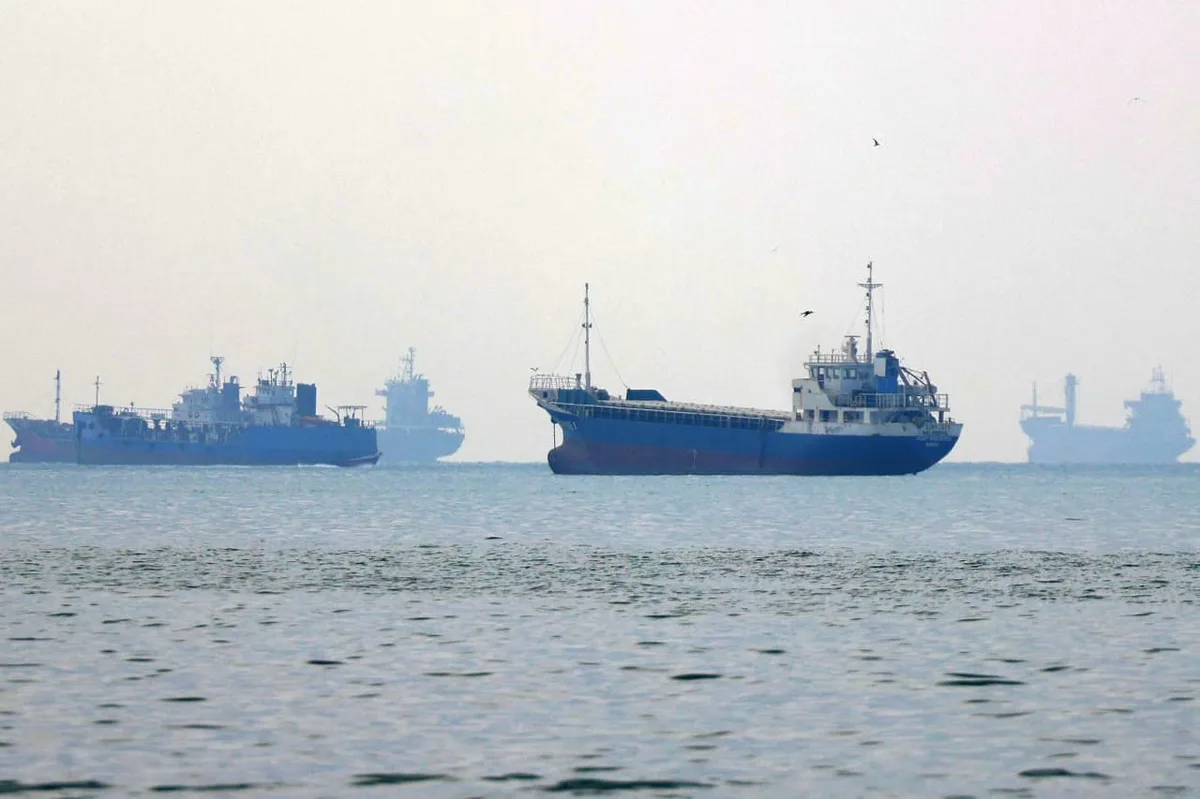
major shipping routes across the Middle East
have also seen attacks on vessels.
In particular, concerns over restricted passage through
the Strait of Hormuz and possible supply disruptions—a key route for global crude shipments—
are making markets increasingly nervous.
On top of that, Yemen’s Houthi forces
have been expanding their presence near the Red Sea,
raising fears of added pressure not just on oil,
but on international shipping as a whole.
In short, growing concern over unstable crude supply
is what sent global oil prices sharply higher.
2. If Oil Goes Up, Do Flight Prices Rise Right Away?
Not necessarily. Higher oil prices don’t automatically mean airfare jumps overnight.
That said, from an airline’s perspective,
fuel is a major part of operating costs.
According to IATA,
jet fuel prices surged after the war in the Middle East,
and total airline fuel costs in 2026
are projected to reach about $350 billion.
Right now,
fuel accounts for nearly one-third of total airline operating expenses.

Airlines do try to manage some of that risk
through fuel hedging, which locks in prices in advance,
but if oil stays elevated for a long period,
the cost burden eventually gets harder to absorb.
So if high oil prices continue,
airfare increases,
higher fuel surcharges,
and even reduced flight schedules
could all start affecting travelers.
3. Are There Already Signs of Higher Airfare?
Yes—some airlines have already started mentioning the impact of oil prices.
The CEO of European low-cost carrier Ryanair
recently said that if oil prices stay high,
competing airlines may cut flight frequency,
which could lead to slightly higher winter airfare.
Ryanair itself
is also trimming some winter operations,
and has lowered its projected passenger numbers for 2027
compared with earlier forecasts.
IATA has also said that rising jet fuel prices this year
are pushing airlines
to pass some of those costs on to consumers through fare increases.
Of course,
that doesn’t mean every international flight departing from South Korea will rise immediately.
Route competition, airline scheduling,
exchange rates, and peak-season demand
all play a role in airfare pricing.
Still, if oil prices stay this high
for several months or longer,
it’s reasonable to expect
upward pressure on airfare over time.

4. If You’re Planning an Overseas Trip, What Should You Do?
There’s no need to cancel your trip right away
or panic-buy flights immediately.
But if you’re planning travel
for this winter or next year,
it’s smart to check airfare
a little more often than usual.

Especially because
flight prices aren’t determined by oil alone,
it helps to know the usual price range for your route in advance
and book when you see a fare that feels reasonable.That’s the most practical approach.
And if you’re flying on a Middle East transit route,
don’t just watch oil prices—
keep an eye on local conditions,
schedule changes, and cancellations too.
To sum it up,
|
Category |
Current Situation |
|
Brent crude |
Above $100 |
|
September 10 closing price |
$107.63 |
|
Main cause |
Middle East conflict and concerns over disruptions to oil transport |
|
Airline impact |
Rising fuel cost burden |
|
Airfare |
Possible increases on some routes |
|
What travelers should do |
Track price trends and flight operation updates |
Just because global oil prices have topped $100
doesn’t mean every flight will suddenly get expensive tomorrow.
But if oil stays high,
airlines will eventually have to reduce costs
somewhere in the system.
That could mean fewer flights
or higher ticket prices down the line,
so if you’re planning overseas travel this winter or next year,
it’s worth watching both global oil prices and airfare
for the time being.
Especially at a time like this,
when the Middle East situation is changing quickly,
don’t just monitor ticket prices—
checking for schedule changes and cancellations is essential too.
Thanks for reading.
For every moment of traveling together,
this is Sseoz’s Neighborhood Wanderings.
Asia | South Korea | Restaurants | Hot Places